| En Aranjuez con tu amor | 3-02-01. 西班牙語 1,Aranjuez com tu amor 阿蘭輝茲之戀 |
| Junto a ti, al pasar las horas oh mi amor | 在你身旁,任時光流逝,哦,我的愛人, |
| hay un rumor de fuente de cristal | 水晶般的泉水傳來一陣潺潺細響, |
| que en el jardín parece hablar | 彷彿在花園裡 |
| en voz baja a las rosas | 對著玫瑰輕聲訴說。 |
| Dulce amor, esas hojas secas sin color | 甜蜜的愛啊,那些失去色彩的枯葉, |
| que barre el viento | 隨風飄散, |
| son recuerdos de romances de un ayer | 都是往日戀情的回憶; |
| huellas y promesas hechas con amor, en Aranjuez | 愛的足跡與承諾,在阿蘭輝茲, |
| entre un hombre y una mujer, en un atardecer | 屬於一個男人與一個女人,在一個黃昏, |
| que siempre se recuerda | 那永遠難忘的時光。 |
| Oh mi amor, mientras dos se quieran con fervor | 哦,我的愛人,只要兩顆心依然熾熱, |
| no dejarán las flores de brillar | 花朵便不會停止綻放, |
| ni ha de faltar al mundo paz, ni calor a la tierra | 世界也不會失去和平,大地依然充滿溫暖。 |
| Yo sé bien que hay palabras huecas, sin amor | 我知道那些空虛而沒有愛意的話語, |
| que lleva el viento, y que nadie las oyó con atención | 終究會隨風飄散,無人願意細心聆聽; |
| pero otras palabras suenan, oh mi amor al corazón | 然而有一些話語,哦,我的愛人,能直抵心坎, |
| como notas de canto nupcial, y así te quiero hablar | 宛如婚禮聖歌的旋律,我願如此對你說, |
| si en Aranjuez me esperas | 如果你在阿蘭輝茲等我。 |
| Luego al caer la tarde se escucha un rumor | 黃昏再臨時,傳來一陣潺潺水聲, |
| es la fuente que allí parece hablar con las rosas | 花園裡的噴泉彷彿仍在那裡對著玫瑰訴說。 |
| En Aranjuez, con tu amor | 在阿蘭輝茲,伴著你的愛。 |
| En Aranjuez con tu amor | 3-02-01. 西班牙语 1,Aranjuez com tu amor |
| Junto a ti, al pasar las horas oh mi amor | 在你身旁,任时光流逝,哦,我的爱人, |
| hay un rumor de fuente de cristal | 水晶般的泉水传来一阵潺潺细响, |
| que en el jardín parece hablar | 仿佛在花园里 |
| en voz baja a las rosas | 对着玫瑰轻声诉说。 |
| Dulce amor, esas hojas secas sin color | 甜蜜的爱啊,那些失去色彩的枯叶, |
| que barre el viento | 随风飘散, |
| son recuerdos de romances de un ayer | 都是往日恋情的回忆; |
| huellas y promesas hechas con amor, en Aranjuez | 爱的足迹与承诺,在阿兰辉兹, |
| entre un hombre y una mujer, en un atardecer | 属于一个男人与一个女人,在一个黄昏, |
| que siempre se recuerda | 那永远难忘的时光。 |
| Oh mi amor, mientras dos se quieran con fervor | 哦,我的爱人,只要两颗心依然炽热, |
| no dejarán las flores de brillar | 花朵便不会停止绽放, |
| ni ha de faltar al mundo paz, ni calor a la tierra | 世界也不会失去和平,大地依然充满温暖。 |
| Yo sé bien que hay palabras huecas, sin amor | 我知道那些空虚而没有爱意的话语, |
| que lleva el viento, y que nadie las oyó con atención | 终究会随风飘散,无人愿意细心聆听; |
| pero otras palabras suenan, oh mi amor al corazón | 然而有一些话语,哦,我的爱人,能直抵心坎, |
| como notas de canto nupcial, y así te quiero hablar | 宛如婚礼圣歌的旋律,我愿如此对你说, |
| si en Aranjuez me esperas | 如果你在阿兰辉兹等我。 |
| Luego al caer la tarde se escucha un rumor | 黄昏再临时,传来一阵潺潺水声, |
| es la fuente que allí parece hablar con las rosas | 花园里的喷泉仿佛仍在那里对着玫瑰诉说。 |
| En Aranjuez, con tu amor | 在阿兰辉兹,伴着你的爱。 |
| En Aranjuez con tu amor | 3-02-01. Spainish 1. En Aranjuez con tu amor(In Aranjuez with Your Love) |
| Junto a ti, al pasar las horas oh mi amor | Beside you, as the hours pass, oh my love, |
| hay un rumor de fuente de cristal | a crystal-clear fountain murmurs softly, |
| que en el jardín parece hablar | as though, in the garden, |
| en voz baja a las rosas | it was whispering to the roses. |
| Dulce amor, esas hojas secas sin color | Sweet love, those faded, withered leaves, |
| que barre el viento | carried away by the wind, |
| son recuerdos de romances de un ayer | are memories of romances long ago; |
| huellas y promesas hechas con amor, en Aranjuez | footsteps and promises made with love, in Aranjuez, |
| entre un hombre y una mujer, en un atardecer | between a man and a woman, at twilight, |
| que siempre se recuerda | a moment forever remembered. |
| Oh mi amor, mientras dos se quieran con fervor | Oh my love, as long as two hearts still love with fervor, |
| no dejarán las flores de brillar | the flowers will never cease to bloom, |
| ni ha de faltar al mundo paz, ni calor a la tierra | nor will peace depart from the world, nor warmth from the earth. |
| Yo sé bien que hay palabras huecas, sin amor | I know that empty words, spoken without love, |
| que lleva el viento, y que nadie las oyó con atención | are carried away by the wind, unheard by anyone; |
| pero otras palabras suenan, oh mi amor al corazón | yet there are other words, oh my love, that reach the heart, |
| como notas de canto nupcial, y así te quiero hablar | like the notes of a wedding hymn; thus I wish to speak to you, |
| si en Aranjuez me esperas | if you are waiting for me in Aranjuez. |
| Luego al caer la tarde se escucha un rumor | Then, as evening falls, a gentle murmur is heard; |
| es la fuente que allí parece hablar con las rosas | it is the fountain, still seeming to speak to the roses. |
| En Aranjuez, con tu amor | In Aranjuez, with your love. |
Introduction to the Original Lyrics' Author:
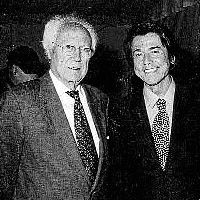
Alfredo García Segura (1927–2008) was a Spanish lyricist, pianist, arranger, and writer, and one of the most important figures in twentieth-century Spanish popular music. Together with his younger brother, the composer Gregorio García Segura, he was known as one of the García Segura Brothers. Over several decades, the two brothers were active in the creation of popular songs, film scores, and stage music, leaving behind an extensive body of work that became influential throughout Spain and Latin America.
In the history of Joaquín Rodrigo’s Concierto de Aranjuez, Alfredo García Segura’s most significant contribution was adapting the famous second movement into a singable Spanish-language song. In 1967, following the tremendous success of the French song Aranjuez, mon amour across Europe, he was commissioned to write Spanish lyrics. The resulting song, En Aranjuez con tu amor, was published by Unión Musical Española. It soon became the definitive Spanish vocal version of the work. Over the following decades, it was performed by numerous internationally renowned singers, including Plácido Domingo, Andrea Bocelli, Sarah Brightman, and Fernando Lima, and has become by far the best-known vocal adaptation of the second movement of Concierto de Aranjuez.
García Segura wrote at least two distinct sets of Spanish lyrics. One begins with the words “Aranjuez, un lugar de ensueños y de amor,” while the other opens with “Junto a ti.” Although the two versions share certain passages, they are separate texts rather than variants of the same lyric, and each has been adopted by different performers. Why García Segura wrote two different sets of lyrics, the chronological relationship between them, and the circumstances of their creation remain unclear. At present, no conclusive documentary evidence has been found, and these questions await further research.
The two Spanish songs written by Alfredo García Segura have enjoyed wide circulation in many countries and regions. They have also been translated and performed in several other languages, including Catalan, Portuguese, and even Japanese. Although the translated lyrics are not always identical to the Spanish originals, they almost invariably retain the title En Aranjuez con tu amor. Likewise, many instrumental adaptations of the second movement of Concierto de Aranjuez have adopted En Aranjuez con tu amor as their title, rather than simply identifying the music as the second movement of Concierto de Aranjuez.creating