When Aranjuez Entered the Electronic World
Among the many transformations of the second movement of Joaquín Rodrigo’s Concierto de Aranjuez, the French adaptation Aranjuez, mon amour occupies a unique place. Created in 1967 with lyrics by Guy Bontempelli, the song transformed Rodrigo’s Adagio into a poetic meditation on love, memory, roses, and absence.
More than three decades later, this French chanson entered another musical universe.
In 2002, the electronic crossover project Operatica reimagined the song as “Mon Amour (A Rose Under the Desert Sky)”, blending the original French lyrics with newly added English verses. This version represents one of the most unusual journeys of Aranjuez, mon amour: from French chanson to electronic crossover, from European romantic imagery to a global digital soundscape.
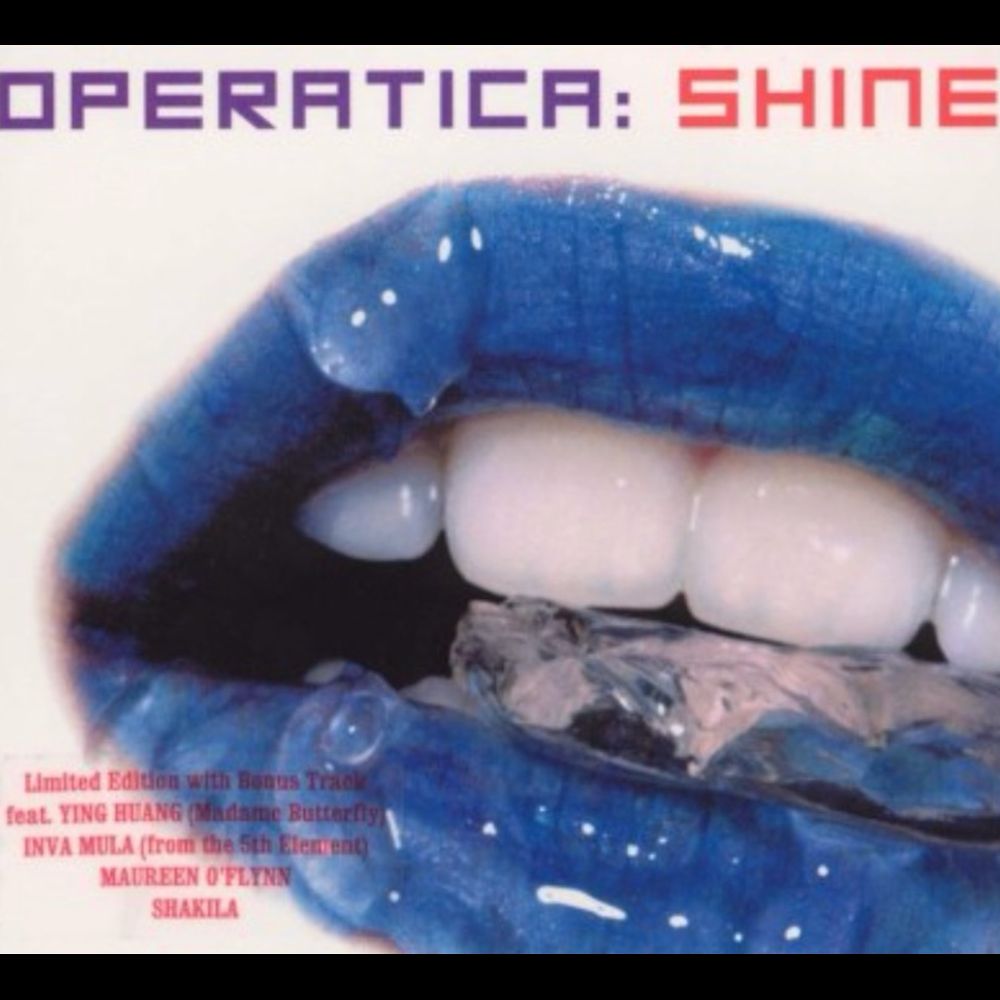
Operatica – Shine (2002)
Operatica was not a conventional band, but rather a musical project led by Lord Vanger, combining electronic beats, classical influences, and powerful female vocals. The project was often described as a crossover between electronic music and opera, creating a dramatic atmosphere somewhere between cinematic soundtrack and progressive electronic music.
Operatica's second album, Shine (2002), features a collection of arrangements that blend classical and world music—including works by Grieg, Bizet, and Debussy, as well as melodies rooted in traditional Persian music. Additionally, Lord Vanger included his own original compositions, showcasing his talents as both a composer and a vocalist. The album features contributions from several international vocalists—including Inva Mula, Ying Huang, Maureen O'Flynn, and Shakila—all of whom are renowned contemporary bel canto singers.
Track 2: Mon Amour (A Rose Under the Desert Sky)
The arrangement retains Rodrigo’s unforgettable melody and the emotional foundation of Bontempelli’s French adaptation, the first adaptation of Aranjuez adagio with lyrics named Aranjuez,Mon amoure,but introduces a new sonic language: synthesizers, programmed rhythms, and operatic vocal textures.
The French lyrics remain at the heart of the song:
Mon amour, sur l'eau des fontaines, mon amour
Où le vent les amène, mon amour
Le soir tombé, qu'on voit flotter
Des pétales de roses
However, the addition of English lyrics changes the emotional perspective:
Why you leave me standing, mon amour
Tears are running from the dark into my face into the sand
And every hour I wonder why
Our love had to die like a rose under the desert sky.
Mon amour, mon amour……
The image of “a rose under the desert sky” creates an entirely new poetic landscape. The garden of Aranjuez becomes a vast, lonely desert — a place where beauty survives in isolation.
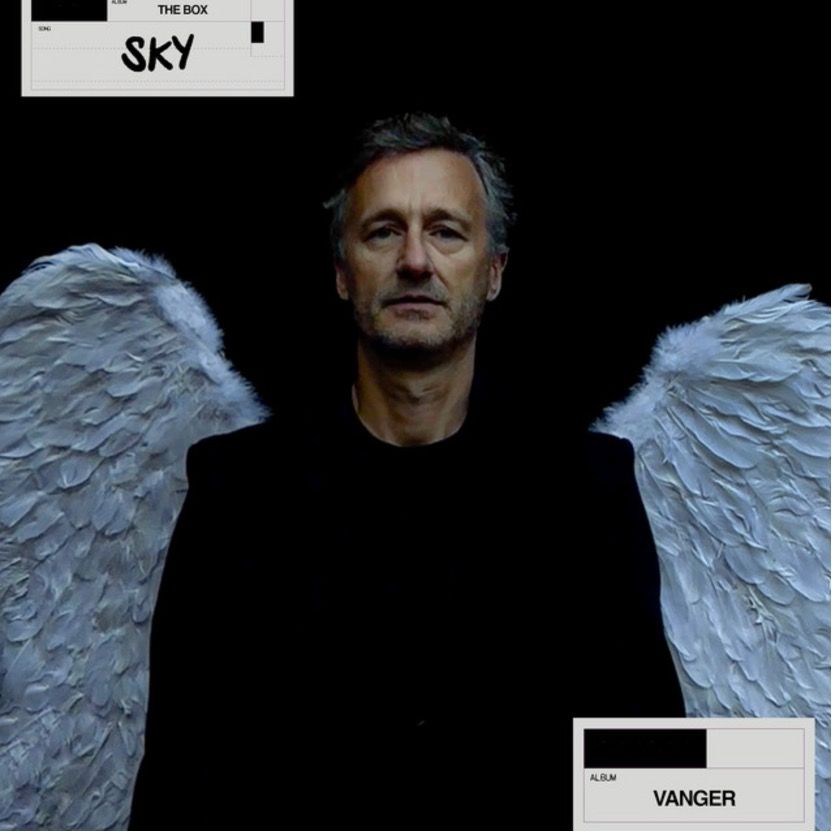
Producer & Lyricist : Lord Vanger
Lord Vanger (born Anthony Vanger) is a British music producer, composer, arranger, and vocalist, as well as the creative force behind the electronic-classical crossover project Operatica. In the early 2000s, he released a series of works under the Operatica moniker that blended operatic vocals with electronic music, fusing classical melodies and the dramatic flair of opera with the rhythms and timbres of contemporary electronic music to create styles spanning classical crossover, electronic fusion, and dance-opera crossover. For the track "Mon amour (a rose under the desert sky)," Lord Vanger and the members of Operatica drew upon the French song "Aranjuez, mon amour." While preserving the romantic and melancholic emotional essence of the original, they incorporated English lyrics and electronic production, thereby extending the musical journey of the Adagio from Concierto de Aranjuez —which had previously traversed the realms of classical music, jazz arrangements, and French *chanson*—into the context of 21st-century electronic music. The vocals are performed by the internationally renowned soprano Inva Mula; her deep operatic background ensures that, alongside modern rhythms and timbres, this electronic crossover version retains the gravitas and emotional intensity characteristic of classical vocal music.
Lead Vocal : Inva Mula
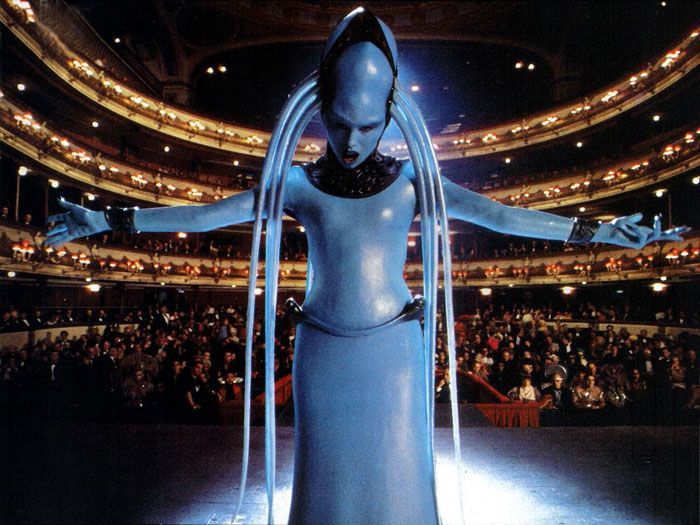
Inva Mula is an internationally acclaimed Albanian soprano, known for her expressive voice, exceptional vocal technique, and performances on major European opera stages. She gained worldwide recognition as the singing voice of Diva Plavalaguna in Luc Besson’s film The Fifth Element.
In 2002, she joined the electronic crossover project Operatica and performed Mon Amour (A Rose Under the Desert Sky) on the album Shine. Her operatic vocal style brings a classical dimension to this unique reinterpretation of Rodrigo’s Concierto de Aranjuez, bridging the worlds of opera, chanson, and electronic music.

From Operatica to Buddha-Bar
The Operatica version later reached a wider international audience through David Visan’s Buddha-Bar V (2003).
The Buddha-Bar series played an important role in bringing electronic lounge music and world-influenced sounds to a global audience. By placing Mon Amour in this context, Rodrigo’s melody entered a new environment: one of late-night listening, atmospheric soundscapes, and global fusion.