| Aranjuez, ma pensée | 3-01-02. 法語 2,Aranjuez, ma pensée 阿蘭輝茲,我的思念 |
| Aranjuez, mai est la saison des roses, | 阿蘭輝茲,五月正是玫瑰盛開的時節, |
| sous le soleil elles sont déjà écloses, | 在陽光照耀下,它們早已燦然綻放。 |
| les magnolias en fleurs se penchent | 盛放的木蘭花低垂著枝頭, |
| sur les eaux claires du Tage. | 映照在塔霍河清澈的流水上。 |
| Et la nuit, ce parc deux fois centenaire | 夜幕降臨,這座有著兩百年歷史的花園, |
| s’anime soudain | 忽然甦醒。 |
| chuchotements, et | 細細的耳語, |
| bruissements, subtils | 輕柔的沙沙聲, |
| arômes, | 若有似無的芬芳, |
| qu’amène le vent avec d’illustres fantômes. | 都隨著微風而來,伴著昔日名流的幽影。 |
| Un peintre fameux avec sa palette magique, | 一位偉大的畫家, |
| a su capter d’immortelles images, | 用他神奇的調色盤, |
| l’ombre d’un roi et d’une reine. | 捕捉下永恆不朽的畫面: |
| Or et argent, perles et | 國王與王后的身影, |
| diamants fêtes | 黃金與白銀,珍珠與鑽石, |
| somptueuses, | 一場場富麗堂皇的盛宴; |
| femmes belles et | 美麗而嫵媚的女子, |
| voluptueuses, fiers | 神采飛揚的宮廷侍臣。 |
| courtisans. | 遠方傳來吉他的琴聲, |
| Guitares au loin, guitares et | 吉他與曼陀林在樹叢間迴盪; |
| mandolines entre les | 長笛吹奏,歌者同聲吟唱。 |
| buissons, | |
| joueurs de flûte, chanteurs à l’unisson. | 我的愛, |
| 我徒然地在樹蔭間尋找你的身影。 | |
| Mon amour je te cherche en | 那裡依然滿溢著鮮活的回憶, |
| vain parmi les frondes | 屬於往昔歲月, |
| où tant de souvenirs vivaces | 屬於那些幸福的日子。 |
| abondent des temps | 那一年, |
| passés, | 我們倆都只有二十歲。 |
| des jours heureux. | |
| Nous avions vingt ans tous les deux. |
| Aranjuez, ma pensée | 3-01-02. 法语 2,Aranjuez, ma pensée 阿兰辉兹,我的思念 |
| Aranjuez, mai est la saison des roses, | 阿兰辉兹,五月正是玫瑰盛开的时节, |
| sous le soleil elles sont déjà écloses, | 在阳光照耀下,它们早已灿然绽放。 |
| les magnolias en fleurs se penchent | 盛放的木兰花低垂著枝头, |
| sur les eaux claires du Tage. | 映照在塔霍河清澈的流水上。 |
| Et la nuit, ce parc deux fois centenaire | 夜幕降临,这座有着两百年历史的花园, |
| s’anime soudain | 忽然苏醒。 |
| chuchotements, et | 细细的耳语, |
| bruissements, subtils | 轻柔的沙沙声, |
| arômes, | 若有似无的芬芳, |
| qu’amène le vent avec d’illustres fantômes. | 都随着微风而来,伴着昔日名流的幽影。 |
| Un peintre fameux avec sa palette magique, | 一位伟大的画家, |
| a su capter d’immortelles images, | 用他神奇的调色盘, |
| l’ombre d’un roi et d’une reine. | 捕捉下永恒不朽的画面: |
| Or et argent, perles et | 国王与王后的身影, |
| diamants fêtes | 黄金与白银,珍珠与钻石, |
| somptueuses, | 一场场富丽堂皇的盛宴; |
| femmes belles et | 美丽而妩媚的女子, |
| voluptueuses, fiers | 神采飞扬的宫廷侍臣。 |
| courtisans. | 远方传来吉他的琴声, |
| Guitares au loin, guitares et | 吉他与曼陀林在树丛间回荡; |
| mandolines entre les | 长笛吹奏,歌者同声吟唱。 |
| buissons, | |
| joueurs de flûte, chanteurs à l’unisson. | 我的爱, |
| 我徒然地在树荫间寻找你的身影。 | |
| Mon amour je te cherche en | 那里依然满溢着鲜活的回忆, |
| vain parmi les frondes | 属于往昔岁月, |
| où tant de souvenirs vivaces | 属于那些幸福的日子。 |
| abondent des temps | 那一年, |
| passés, | 我们俩都只有二十岁。 |
| des jours heureux. | |
| Nous avions vingt ans tous les deux. |
| Aranjuez, ma pensée | 3-01-02. Franch 2, Aranjuez, ma pensée (Aranjuez, My Thoughts) |
| Aranjuez, mai est la saison des roses, | Aranjuez, where May is the season of roses, |
| sous le soleil elles sont déjà écloses, | already blooming beneath the warm sunlight. |
| les magnolias en fleurs se penchent | Magnolia blossoms, heavy with flowers, |
| sur les eaux claires du Tage. | bend gently over the clear waters of the Tagus. |
| Et la nuit, ce parc deux fois centenaire | When night falls, this two-hundred-year-old garden |
| s’anime soudain | suddenly comes alive: |
| chuchotements, et | soft whispers, |
| bruissements, subtils | the rustling of leaves, |
| arômes, | delicate fragrances, |
| qu’amène le vent avec d’illustres fantômes. | all carried by the breeze, together with the lingering spirits of history. |
| Un peintre fameux avec sa palette magique, | A great painter, |
| a su capter d’immortelles images, | with his magical palette, |
| l’ombre d’un roi et d’une reine. | captured images destined to live forever: |
| Or et argent, perles et | the silhouettes of a king and a queen; |
| diamants fêtes | gold and silver, pearls and diamonds; |
| somptueuses, | magnificent courtly celebrations; |
| femmes belles et | beautiful and voluptuous women, |
| voluptueuses, fiers | proud courtiers; |
| courtisans. | the distant sound of guitars, |
| Guitares au loin, guitares et | guitars and mandolins echoing among the bushes; |
| mandolines entre les | flute players, |
| buissons, | and singers raising their voices in unison. |
| joueurs de flûte, chanteurs à l’unisson. | |
| My love, | |
| Mon amour je te cherche en | I search for you in vain beneath the leafy branches, |
| vain parmi les frondes | where vivid memories still abound— |
| où tant de souvenirs vivaces | memories of days gone by, |
| abondent des temps | of happy times. |
| passés, | back then, |
| des jours heureux. | we were both twenty years old. |
| Nous avions vingt ans tous les deux. | |
Introduction to the Original Lyrics' Author:
The lyricist of this French version was Rodrigo’s wife,Victoria Kamhi de Rodrigo (1905–1997), born in Turkey, who was a pianist and poet. The inspiration for the "Concierto de Aranjuez" originally came from this couple’s experiences during their honeymoon in the royal gardens of Aranjuez. Influenced by various adaptations of the piece in 1967, Rodrigo shifted from opposing to accepting them. Perhaps to regain copyright control, in 1968, Rodrigo personally adapted the piece into a version for voice, piano, or guitar, titled Aranjuez, Ma Pensée ("Aranjuez, My Thoughts"). Victoria transformed this sentiment into words, creating a French poem that became the official lyrics of the work. In 1988, the "author’s version" (version del autor) for voice and guitar (Para canto y guitarra) was officially published.
The structure of Kamhi’s French poem does not follow the common lyrical technique of repeating and echoing verses. Almost none of the lines are repeated. Such a poetic structure may not lend itself well to popular music. This version is typically only performed in the context of classical vocal music.
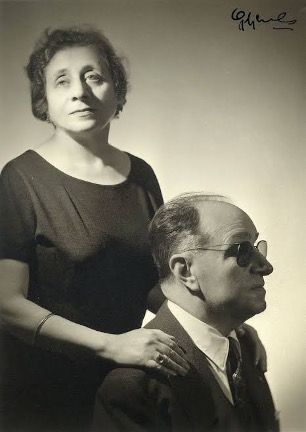
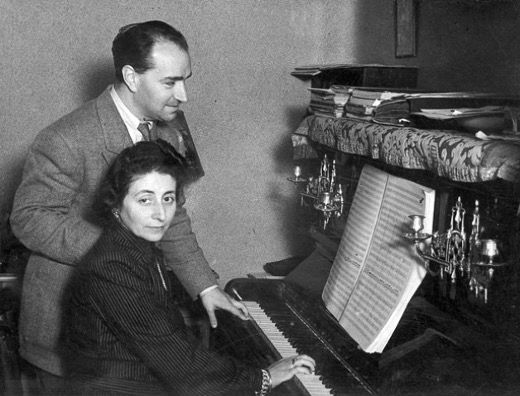
Victoria Kamhi’s life is recounted in her autobiographical work, which includes some touching stories. The Spanish edition, De la mano de Joaquín Rodrigo: Historia de nuestra vida (Hand in Hand with Joaquín Rodrigo: The Story of Our Life), was first published in 1986, and the English translation by Ellen Wilkerson was released in 1992.
In her autobiography, we learn about the touching and tumultuous love story of Kamhi and Rodrigo. They overcame many challenges to become not only devoted life partners but also artistic collaborators for decades.
Kamhi was born into a wealthy family in Istanbul, Turkey, and received excellent musical and literary education. She showed great talent as a pianist from a young age and aspired to become a concert pianist. Her family moved to Paris in 1918. In Paris, Kamhi enjoyed several happy years, dedicating herself to studying piano, engaging in a vibrant social life, and attending operas, plays, concerts, and lectures. She also worked at a charitable organization caring for children from impoverished families.
However, in 1924, her family’s business went bankrupt, and their economic and social standing plummeted. They could no longer afford their lavish lifestyle, and frugality became their new reality. Victoria’s piano teacher offered free lessons, and she earned a teaching diploma from the Paris Conservatory. However, she could not attract students or secure performance opportunities.
In 1928, she encountered the music of Joaquín Rodrigo and soon met the young composer, who was then studying at the École Normale de Musique in Paris. The two quickly fell in love, but her father disapproved of her relationship with a blind composer who had no financial prospects. Kamhi and Rodrigo continued their relationship in secret, but in the winter of 1932, Joaquín’s proposal was rejected, and the couple separated. A few months later, Kamhi defied her father’s wishes and traveled to Valencia, Spain, where she married Rodrigo on January 19, 1933.
Although they were reunited, they were penniless and could not start a family. They had to live apart for several months in 1934. Later, with the help of friends, they received a scholarship from the the Spanish Royal Academy of Fine Arts, providing them with financial stability until the outbreak of the Spanish Civil War in 1936, which canceled the scholarship. The couple spent over a year as refugees in the Black Forest in Germany before returning to Paris. With family support and the musical connections they had developed, they managed to improve their circumstances. However, in 1938, the outbreak of World War II disrupted their lives again, jeopardizing their hard-earned stability, and this time, Victoria was pregnant.
In 1939, seven months into her pregnancy, Kamhi delivered a stillborn child and fell gravely ill. In her autobiography, Kamhi recounts the days following the loss of their child. At the time, they were renting a room in a professor’s house. The professor told Kamhi that after the loss of their child, “(Rodrigo) would spend the long hours of the night at the old piano, unable to sleep and that she heard from her room a melody as full of sadness and longing that it truly gave her chills.” This melody later became the “Adagio” movement of the Concierto de Aranjuez. Kamhi remarked, “It was an evocation of the happy days of our honeymoon, when we walked in the park at Aranjuez, and at the same time, it was a love song.” Kamhi also recalled an even more painful moment after returning from the hospital: “...we had to sell my beloved Pleyel piano, a gift from my parents, to pay the clinic bills. Sorrow upon sorrow...”
With the support of family and friends, Kamhi eventually recovered, and their situation began to improve. After the Spanish Civil War ended, the couple returned to Madrid. The Royal Academy of Fine Arts restored their scholarship, and Joaquín took on roles at the Spanish National Organization for the Blind (ONCE), the Spanish National Radio, the Royal Conservatory, and a newspaper. The Concierto de Aranjuez premiered in 1940 to great acclaim, and their daughter, Cecilia, was born in 1941. The concerto’s success solidified Rodrigo’s international reputation. Kamhi's contributions to Rodrigo's music were indispensable. In addition to Concierto de Aranjuez, many of Rodrigo's vocal works also incorporated Kamhi's poetry.